Skip to content

*Promote NORMAL Birth and Breastfeeding* & more New Year’s Resolution Ideas for all my Co-Workers… Any Ideas?
I am continually working (baby steps- a little bit at a time) on improving what we do to care for the moms and babies in my little neck of the woods. Sometimes it feels exciting, positive and helpful….. but other times frustrating or futile.

Since I have been recently consumed with my newest career as a NICU nurse, I have seen some of my earlier successes of positive changes (on the mother baby unit and L&D)…. slowly. turn. back. to previous bad practices ….. I come over to the units and I see so many of the older traditional care models in place again which we had worked hard to place in a vault! You get new doctors, new nurses, new anesthesiologists etc… and they don’t give a crap about any guidelines or protocols for a natural process! However if the CDC changes their Hepatitis B, HIV or  GBS protocols… they are all over it….  In. A. Heartbeat.

Why is it so hard for these professionals to relinquish control over all aspects of the birth process? Why can’t they look at any of that research? Why aren’t any of the recommendations for encouraging VBAC, discouraging scheduled CS’s without a TOL or keeping mother and baby together while delaying routine procedures taken as seriously?? Why?

I think I know why…I do.  But that isn’t really what I wanted to talk about today.

I want to provide some encouraging – positive – inspirational ideas for my fellow nurses, practitioner or heathcare provider to do what is best for each mother and baby in their car. Even if you all pick just one… it can make a difference. So don’t feel overwhelmed. Just try to add at least one of these to YOUR daily practice.  These suggestions are meant for situations without complications requiring urgent intervention of some kind.

Readers: Please ADD more in comments if you have them!

  • Promote and Preserve NORMAL Physiologic Birth……  Try NOT to interfere. Please really find out what that means if you don’t know. Seriously. (sorry but please… my friends… it’s not about hurrying it up or getting it over with and closing out the chart!)
  • Spend time each month reviewing Evidence-Based practice recommendations and changes with regards to Birth and Breastfeeding. You’ll learn something!
  • SKIN TO SKIN…if you do nothing else… make THIS your project for EVERY mother/baby in your care. If you do this for them– nature can have a chance. Get them S2S at birth and several times each day to help with breastfeeding! (this one is my favorite!)
  • Yes… Skin to Skin can be done in the O.R. Teach your fellow co-workers when just DO it!! Come on TRY IT!
  • Keep a mother’s wishes at the forefront of your plan of care. Her birth plan is very important to her! Advocate for her and empower her. This is her birth, not yours.
  • Advocate and Empower your patient to make truly informed decisions about her care. If she doesn’t have the right information to make a real INFORMED decision, please help her get the information or provide it for her!
  • Embrace the idea and recommend Doulas to your patients. Keep a list of local doulas available and provide them at prenatal visits or out-pt testing.
  • Question the doctor/midwife when an induction and or Cesarean is scheduled. Just ask why and discuss… Bring up points you’ve learned in your reading and find out the practitioners reasons for inducing. There is a way to discuss without challenging. Sometimes –> everyone learns from such a discussion. Perhaps the practitioner will realize his reasons for some cases may not be appropriate.. who knows?
  • Breastfeeding and Formula feeding are not equal choices and remember it is inappropriate to indicate to a mother directly or indirectly that they are equal. She deserves correct information before making an informed choice. Utilize teachable moments to discuss the superiority of Human breast milk as the food for human infants. Show her where she can get more information before making a decision. Honor her decisions once she has made them.
  • Keep the baby with the mother until the FIRST Breastfeed has taken place. Please delay all your routine procedures and help the mother (if needed) to start breastfeeding! This is recommended by ALL the experts.
  • Keep the baby with the mother AT ALL TIMES. Almost everything we do can be done at the mother’s bedside. Think about it.
  • Keep the baby with the mother AT ALL TIMES means at night too. Separating mother and baby so “Mom can rest” had been shown to be a barrier to successful breastfeeding. Encourage frequent feedings based on feeding cues.
  • Teach and empower the mother. Include how to recognize feeding cues, signs of an effective feeding with appropriate latch, and how to recognize an overall good feeding pattern.
  • Support the mother, support the mother, support the mother.

For some more ideas.. I have numerous previous posts about breastfeeding education, support and sited references such as the Coalition for Improving Maternity Services Ten Steps for example and other important issues.
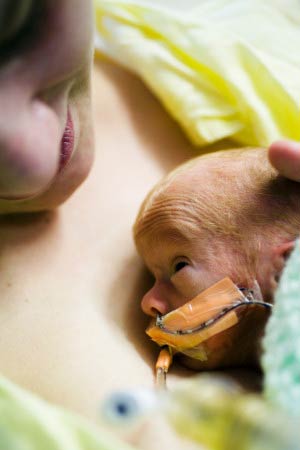
Breastfeeding Evolution amidst the NICU Technology


Powerful Skin to Skin

Evolution

I love babies. I love being a nurse.

I love all the evolution of technology through which I have practiced. I love how I have had to continually evolve myself. I love helping mothers help themselves, advocating for them and their infants, facilitate when needed to support them making their own choices and watch as they evolve….. becoming the best mother they can be!

I know I haven’t blogged lately and it is because I have been having a bit of a rough transition… my latest evolution…  in my new NICU job. Orientation is somewhat difficult for me. I had previously been arriving at work already at the top of my game (for the last 25 years or so) and I have now found myself a student…. every. single. day. It is almost like I have gone to a totally new facility! EVERYTHING seems new or different. All new equipment/monitors/procedures/policies/protocols/doctors/practitioners/and staff.

The babies are the same. Since some are much more preterm than we have cared for in the past… their issues are more complex. Some are the same as we have always cared for, but with neonatologists now on board, the approach to the care of these babies is evolving.

I am unlearning some of what I have always known and relearning things in new ways.

Evolution

I was able to prepare and submit the mission statement and policy on Breastfeeding for our NICU population. The neo’s are extremely awesome on breastfeeding or breastmilk feeding promotion and support! So we have a very good start for breastfeeding support in our new unit. Excellent actually! I am happy to report that since opening our unit, most of the babies thus far have had a total exclusive diet of breastmilk or fortified breastmilk! I think that is fabulous! There have been some moms who after discussion and encouragement to provide breastmilk, wished to formula feed and their choice was supported without further discussion or question. My new co-workers have been very professional about that. There were a few who provided colostrum initially and then decided not to continue. This was also supported.

Coming from my previously comfortable world of lactation in the full term nursery, I find myself on a journey to find a balance between technology and nature……  precision, absolutes and finite accuracy vs the inconsistency, variables, and imprecise intake of an infant at the breast. We are calculating daily the actual fluid and kcal energy intake of each baby and comparing that with the kcal/fluid requirement per kilogram of weight. Changes are then made accordingly. Most of the preterm population is unable to take in their required fluid and caloric needs solely by mouth. Most have parenteral nutrition in the form of a glucose/ Amino Acid protein and Lipid (fats) at first by a central line or an IV (TPN) and gradually switch over to taking all their requirement by their GI system (Enteral). They don’t have the stamina to take it by sucking/drinking and they require a nasogastric (NG) tube so the remainder of food can go in by gravity or feeding pump (gavage feeding).


NG tube

I actually love learning all this. I thrive on having a detailed clear clinical picture of my patient. I am very detail oriented which is a good thing. Because of this precision, the measurements and the calculations—> actual breastFEEDING is not often seen until much later in the game. I understand this. I do. I want so much to be very helpful at transitioning to full feeds at the breast. I have to wrap my head around it each time (all the while being a student in all other aspects of the infant’s care) researching how to best advise each mother. We range from visits every other feeding to visits once or twice a day. Skin to skin is the most powerful tool I can use when faced with limited exposure or opportunity. Sometimes when the mom is arriving for my patient, I’m involved in other things and unavailable to do anything other than providing some private skin to skin time. Encouraging any licking, suckling or other feeding behaviors at the breast during gavage feeds is also good. When the baby gets more and more ready to take oral feeds… what I’ve seen so far is that they are already preferenced to the bottle nipple. The weight gain has been established, the precision of measurement seems to have become slightly less rigid. It seems that there is adequate physician support to encourage full feeds at the breast. There are hundreds of experts out there who have gone thru this, and reorganized policy and procedure to protect breastfeeding in the NICU.

I have to evolve myself again and re-learn more about transitioning to feeds at the breast before the bottle becomes a primary feeding implement. Once I can  find my footing- I hope to be strong and confident enough to start teaching moms and my co-workers.

Breastfeeding is NOT an exact science!

I need to figure out when the exact science of Neonatology can accept that….

into the feeding plan for each individual baby!

CIMS urges ACOG –> Remove Barriers to VBAC

Received this email alert and thought I’d pass on thru my blog… and encourage all to take action!

It takes 5 seconds to add your name to the list!

e-CIMS Action Alert Sept. 28, 2010

CIMS Urges ACOG to Remove Additional Barriers to VBAC
Join us in asking ACOG to take steps that will increase VBAC, reduce cesareans, and ultimately avoid unnecessary harms to mothers and infants.

In a Sept. 9, 2010, letter to Dr. Richard Waldman, president of the American College of Obstetricians and Gynecologists (ACOG), CIMS and 18 co-signing organizations urged ACOG to revise its current recommendation that VBACs (vaginal birth after cesarean) should take place in hospitals where emergency cesareans are “immediately available.”

CIMS will collect the names of additional organizations and individuals in support of this request through October 31, 2010, and will send the updated list of co-signers to Dr. Waldman. Add your name or your organization’s name now!

This request follows the March 2010 National Institutes of Health (NIH) Consensus Statement on VBAC, which found that VBAC is a reasonable choice for the majority of affected women. The NIH also reported that the “immediately available” recommendation was not based on strong support from high-quality evidence and had influenced about one-third of hospitals and one-half of physicians to stop providing care for women who wanted to plan a VBAC.

CIMS and the co-signing organizations also urged ACOG to revise its patient education publications and online consumer resources to include comprehensive information on the benefits and risks of cesarean section and VBAC. Without transparency about the short- and long-term benefits and risks of routine repeat cesarean and VBAC, women cannot make a truly informed choice about how they want to give birth.

Additional Information:

CIMS Press Release “CIMS Responds to Promising but Conflicting Revised VBAC Guidelines”

American College of Nurse-Midwives Responds to ACOG’s 2010 VBAC Recommendations (PDF)

Take Action: Add your name or your organization’s name now!

**ROAR** on Breastfeeding Guilt (via Stork Stories… Birth & Breastfeeding)

<img src=”https://medicalstorkstories.com/wp-content/uploads/2009/10/10_lioness-with-cub-feeding.jpg?w=173&h=100″ width=”173″ height=”100″ alt=”**ROAR** on Breastfeeding Guilt” class=”align-left thumbnail alignleft left” style=”max-width:100%;” /> (Image found at Google Images) **ROAR** The Mommy Wars over feeding babies continue..I guess it won’t ever be truly over. I’ve been following a discussion on Why Educating Our patients is a Professional Responsibility and Not about Guilt. I have learned much over the years talking to, educating and helping mothers. I have re-posted this earlier segment  “Breastfe … Read More


via Stork Stories… Birth & Breastfeeding

Our new NICU policy–>Breastmilk IS our babies food!

Yes! This HAS been accepted!!!


Here is an excerpt from our NEW NICU policy:

Policy Statement: It is the policy of the NICU to provide all mothers with factual information regarding the superior nutritional, immunological and therapeutic beneficial effects that human milk and breastfeeding will have on the health outcomes of their preterm or sick newborn so that their feeding decision will be evidence based. The healthcare professional has an ethical responsibility to avoid withholding information because of any unfounded concerns that informing mothers of research-based options may make them feel guilty if they choose not to breastfeed. The mother’s informed decisions will be totally supported and her infant will be provided nourishment in accordance with her decisions.  All mothers should be considered breastfeeding candidates until they specify intent to bottle feed.

Purpose: To promote and support human milk as the preferred method of providing nutrition. Provide assistance to the mother in establishing and maintaining breastfeeding.

Policy:

  1. Any mother desiring to breastfeed or provide breastmilk for her baby will be given consistent current and correct evidence-based information, emotional support and encouragement she may need to reach her individual goals. Healthcare professionals will avoid conveying information based on any personal breastfeeding experience as it may not be appropriate or applicable in discussions with mothers.
  2. Mothers may be asked/encouraged to temporarily pump/express and provide colostrum for their infant’s immediate protection and health needs regardless of their feeding choice.
  3. The mother will be involved in all feeding plans as soon as possible.
  4. All NICU infants will be fed according to their nutritional requirements as ordered by the physician.
  5. Early trophic feedings of colostrum/milk to stimulate intestinal maturity will be utilized as ordered and when there is colostrum available. It is beneficial for infant to wait a day or two until colostrum is available to maximize the transfer of protective components. Colostrum should be given to infant in the order it was pumped.
  6. Oral care/ mouth swabbing will be done using colostrum/ breastmilk.
  7. A multidisciplinary approach involving the physician, NICU team, the mother and a lactation professional to develop an individualized feeding plan will be utilized as soon as feasible in accordance with each infants requirements and feeding abilities.
  8. Cue-based feedings will be encouraged and utilized as soon as possible. All mothers will be provided educational information and encouraged to understand and participate in reading their infant’s feeding cues.
  9. Kangaroo care and/or skin-to-skin will be utilized and encouraged as much as possible..
  10. Stable premature infants should be allowed to go to mother’s breast during gavage feedings to ready infant for transition to breastfeeding.

Etc etc etc……………………………….. much more……………..

The policy I submitted was written using Marsha Walker’s  “Breastfeeding Management for the Clinician. Using the Evidence” as a major guide. I think I even used her words a lot. (Seriously-who can say it better?)

YAY! Thank you to my team and thank you Marsha!

DUE TO REPEATED REQUESTS FOR THE WHOLE POLICY… HERE IS WHAT I HAVE… I HAVE INCLUDED THE REFERENCES


Policy  Statement:      It is the policy of the Special Care Nursery/NICU to provide all mothers with factual information regarding the superior nutritional, immunological and therapeutic beneficial effects that human milk and breastfeeding will have on the health outcomes of their preterm or sick newborn so that their feeding decision will be evidence based. The healthcare professional has an ethical responsibility to avoid withholding information because of any unfounded concerns that informing mothers of research-based options may make them feel guilty if they choose not to breastfeed. The mother’s informed decisions will be supported and her infant will be provided nourishment in accordance with her decisions.  All mothers should be considered breastfeeding candidates until they specify intent to bottle feed.


Purpose:         To promote and support human milk as the preferred method of providing nutrition. Provide assistance to the mother in establishing and maintaining breastfeeding for optimal growth and development.


Policy:

  1. Any mother desiring to breastfeed or provide breastmilk for her baby will be given consistent current correct evidence-based information, emotional support and encouragement she may need to reach her individual goals. Healthcare professionals will avoid conveying information based on any personal breastfeeding experience as it may not be appropriate or applicable in discussions with mothers.
  2. Mothers may be asked/encouraged to temporarily pump/express and provide colostrum for their infant’s immediate protection and health needs regardless of their feeding choice.
  3. The mother should be involved in all feeding plans whenever possible.
  4. All SCN/NICU Infants will be fed according to their nutritional requirements as ordered by the physician.
  5. Early trophic feedings of colostrum/milk to stimulate intestinal maturity will be utilized as ordered and when there is colostrum available. It is beneficial for infant to wait a day or two until colostrum is available to maximize the transfer of protective components. Colostrum should be given to infant in the order it was pumped.
  6. Oral care/ mouth swabbing will be done using colostrum/ breastmilk.
  7. A multidisciplinary approach involving the physician, SCN/NICU team, the mother and a lactation professional to develop an individualized feeding plan will be utilized as soon as feasible in accordance with each infants requirements and feeding abilities.
  8. Cue-based feedings will be encouraged and utilized as soon as possible. All mothers will be provided educational information and encouraged to understand and participate in reading their infant’s feeding cues.
  9. Kangaroo care and/or skin-to-skin will be utilized and encouraged as much as possible..
  10. Stable premature infants should be allowed to go to mother’s breast during gavage feedings to ready infant for transition to breastfeeding.
  11. Promoting non-nutritive suckling at mother’s recently pumped/drained breast will be encouraged whenever applicable. Although pacifiers are not routinely used for healthy term breastfeeding infants, preterm infants in the Special Care Nursery/NICU or infants with specific medical conditions may be given pacifiers for non-nutritive sucking.
  12. Feeding at the breast will be introduced as soon as possible for those sick or preterm infants as they improve and display appropriate feeding readiness cues.
  13. Supplementation, complimentary feedings and use of alternative feeding devices including nipple shields will be individualized in accordance with the multidisciplinary feeding plan above. (#7)
  14. Human milk fortifier may be indicated and will be added as ordered by the physician.
  15. Breastfeeding Policy  #6250-OB-B-3 and Breastmilk Collection and Storage Policy #6250-OB-B-3A will apply wherever applicable.
  16. If a mother is unavailable for feeding and/or has chosen to pump and store her breastmilk for infant feedings, she will be provided with written pumping instructions. These pumping practices to maximize early production and volume include:
  1. Begin pumping within 6 hours after delivery whenever possible (as clinically indicated by infants and/or mothers medical condition). Early and frequent pumping in the first week is crucial.
  2. Double pumping with high quality hospital grade pump (or pump which cycles 48-50 times/minute and with vacuums not exceeding 240mm Hg.)
  3.  Simultaneous pumping with properly fitting flange and added breast massage yields more milk and higher fat content.
  4. Pump at least 6 times in 24 hours (100 total minutes/day). Mothers pumping at least 8-12 times in 24 hrs yielded higher milk output.
  5. Evaluate any mother’s concerns over low milk volume promptly to promote maximal adequacy of milk expression.
  6. A mother may be encouraged to use the breast pump at the infant’s bedside as a means to increase milk production.
  7. Collect milk in plastic tightly lidded containers (ie Snappies) which are self labeled by mother with infant’s name, date of birth, MR#, date and time milk was pumped.
  8. Freshly expressed milk that can be immediately given to infant provides optimal protection factors.
  9. Milk must be promptly stored in the refrigerator if it is to be used within the next 48 hours.  Breast milk may be placed in the freezer for 3 months or in a deep freeze for up to 6 months.  If the infant is preterm or a sick term infant, frozen breast milk should be used within 3 months, however, it is preferable to use outdated breast milk as opposed to artificial milk.
  10. Mother should transport her milk to the hospital frozen in a cooler with an ice pack.  Thawed breast milk must be used in 24 hours.
  11. If milk brought by the Mother is thawed, it must be placed in the refrigerator.  It cannot be refrozen.


References:

Bakewell-Sachs, S. and Brandes, A. (2003).  Nutritional Management. In Verklan, M.T. and Walden, M.  Core Curriculum for Neonatal Intensive Care Nursing, 3rd Ed. St.Louis,MO: Elsevier Saunders.

Crosson, D.D and Pickler, R.H. (2004). An Integrated Review of the Literature on Demand Feedings for Preterm Infants.  Adv Neonatal Care. 4(4): 216–225.

Dougherty, D.  and Luther, M. (2008). Birth to Breast—A Feeding Care Map for the NICU: Helping the Extremely Low Birth Weight Infant Navigate the Course. Neonatal Network. (27) 6.  Pp 371-377

Kirk, A.T., Alder, S.C., King, J.D. (2007).  Cue-based oral feeding clinical pathway results in earlier attainment of full oral feeding in premature infants:  Cue-based oral feeding clinical pathway.  Journal of Perinatology (27) 572-578.

Meier PP, Engstrom JL, Patel AL, Jegier BJ, Bruns NE. Improving the use of human milk during and after the NICU stay. Clin Perinatol. 2010 Mar;37(1):217-45. Accessed via PubMed July 17 2010

Walker, Marsha (2011). Breastfeeding Management for the Clinician- Using the Evidence 2nd ed. Jones and Bartlett, Sudbury MA

Little Old Men… & Nursing in Public (Back by “PUBLIC” Demand)

Welcome to The Breastfeeding Cafe Carnival!
This post was written as part of The Breastfeeding Cafe’s Carnival. For more info on the Breastfeeding Cafe, go to www.breastfeedingcafe.wordpress.com. For more info on the Carnival or if you want to participate, contact Claire at clindstrom2 {at} gmail {dot} com. Today’s post is about nursing in public. Please read the other blogs in today’s carnival listed below and check back for more posts July 18th through the 31st!


My first baby was born in sunny Florida during a particularly hot stretch in May 1979.  Although I was an OB nurse, I knew very little about breastfeeding other than what my older co-workers had taught me—which was not all that correct or very helpful information. Luckily, I had a great friend who was nursing her 3 month old at the time my son was born. She really showed me the ropes. It just so happened that she was the one who took me home from the hospital. We had to stop at the store for a few items so we went in to a “Publix” supermarket with both babies in our arms.  My newborn son began fussing to nurse soon after we hit the air conditioning.

I said.. “I’m going to have to go back out to the car and nurse him.”

My friend says “Oh..You’ll do no such thing.. You’ll die in that heat.. Just hook him up and keep shopping so we can get finished and out of here!”

Me- “Nurse him in here?”

Friend- “Well if he’s hungry.. yeah!.. (after looking at my face) Oh stop worrying about it..go over to a deserted aisle, get him hooked on and put your receiving blanket up near his face… nobody will know!”

Me- timidly…above the louder howls.. “Alright, be right back..”

I found the most private place I could. I started cursing that complicated “wonderful nursing bra” I just had to have. (Remember..this is 30 years ago… this bra is now an antique!) My skills handling newborns allowed me some grace as I attempted to multitask by stooping down, prop my loudly crying baby on my partial lap, use 2 hands to fiddle with the damn nursing bra, then get him back up near my finally free boob and latched on.

Ahhhh~ quiet, happy, drinking baby!

Still stooped down, I peered slowly behind me — expecting that a large crowd must have assembled. Somewhat surprisingly, everybody was just going about their business and I happily realized that noone was looking at me! I stood up, made sure I wasn’t showing anything, and walked off with my happily nursing baby to find my friend.

It’s amazing how many people want to see a quiet baby as opposed to a screaming infant!

A sweet little old man stopped me first and asked me how old my baby was….”3 days”, I replied. He peeked in for a closer look and he actually didn’t get it right away.. “I can’t really see his face.”.. I said “Well- he’s feeding right now.”.. He just said..”OOPS….sorry about that! Well he’s a cute one!” then walked off.

The next person who stopped me was again.. a sweet little old man. He was very smiley and jolly. He asked all about the baby but didn’t lean over to look like the other man. I quickly said he’s nursing now and then answered all the small talk.  He never seemed uncomfortable about it at all! That probably gave me a lot more confidence. We parted ways and I finally found my friend. She gave me an approving thumbs up, asked me to hold a basket with my other hand and said we were almost done.

Another little old man stopped us by the register to ask about both babies. We gave him all the small talk answers and let him know my son was nursing. This guy was a real sweetie, commenting on how lucky kids were that moms were starting to “nurse their young” again and ‘good for you.”  He never tried to look in at my son. He didn’t seem embarrassed by the process at all. He was the coolest guy!

I left the Publix Supermarket on my way home to begin my life as a mommy…. with a little public education bonus.  Encountering those sweet little old men while feeding my baby and receiving their positive type feedback was the gentle support I needed. I went on to feel empowered to nurse in public for all three of my babies…  Those little old men were just so supportive! ~ When my baby was hungry, he needed to feed and it really didn’t matter where I was at the time.  Thank goodness for my friend’s wisdom and support to go for it!

I became a lactation professional while nursing my last baby. It was then, only after I really became more aware of issues surrounding nursing in public that I actually took any kind of public action to empower other moms.  I’ve done lots of different little things as the years have gone by. I want to mention one fun way that I thought I could help gently re-educate some of the “new” sweet little old men of this day and age.  Our local paper has a lot of little retired guys commenting back and forth on various local articles. I’m guessing their age and status by all the things they say. I took this opportunity to possibly educate some of these forum readers about breastfeeding rights in public.  Every once in a while, on the forum, I put out a little snippet on nursing in public… and sit back and watch what they have to say in reply! It’s quite fun!

Here’s an example I wrote on a long forum discussion a couple years ago on a breastfeeding article:

On another note, regarding a reader reaction in the forum, a skimpy bikini or the bathing-suit issue of a favorite sports magazine show more skin in a provocative, sexy way than any mom breast-feeding. Even the movie stars in their gowns with plunging necklines are showing almost the entire breast! Somehow, that is OK. It is sad that the public opinion of a baby breast-feeding (the most natural way for him to eat) is something that should be done in private … yet young girls are encouraged by media to bare more and more skin. Of course being discreet while feeding is important, but I can assure you, most girls in a tiny bikini are thinking more about “tacky exhibitionist behavior” than a mother breast-feeding her baby. August 1-7 is always World Breast Feeding Week. The theme this year is “Welcome Baby Softly,” focusing on the importance of the first hour or two after birth. Learn more about it. I would love to see the paper do an article on that.

This one provoked a few responses in both directions and sometimes there were a few people who actually thought out loud that …gosh maybe I was right… never thought about it that way…etc..

Here’s an example I wrote on a recent article about the appropriate % amount for tipping :

I have never left an establishment without tipping– however, I also tip according to service up to 20%. If there are unkind reactions to small children in a FAMILY establishment, they will be getting a bare minimal tip for sure!! I do my best to keep my children behaved with table manners AND respect other patrons… but fact remains, they are children! I cannot possibly be prepared for every behavior or an accidental spill. In addition, my breastfeeding baby may be hungry.. By PA law, I have the right to nurse my baby in a public place wherever he and I are allowed to be. I am discreet.. I am protected by law… I don’t need an unkind comment from servers. They do not get a 15-20% tip if nasty, unkind or disrespectful comments have been made about my children or my breastfeeding baby!

This provoked a foray of comments ranging from ‘good for you’ to ‘you should be in the back booth…controlling kids etc..’  Sometimes the opportunities to educate others come at unexpected times but produce amazing results!

On a few occasions, other readers were supporting my comments and

helping to educate those sweet little old guys with me!

😉


Here are more posts by the Breastfeeding Cafe Carnival participants! Check back because more will be added throughout the day.

INSUFFICIENT MILK? Did You use REGLAN or DOMPERIDONE?? They Need YOU!

A message from the USLCA asking for mothers help!

United States Lactation Consultant Association

United States Lactation Consultant Association
Please encourage mothers who have used Reglan or Domperidone to participate in this quick survey. It is very important that research such as this be done to enrich our knowledge of how to better assist mothers with insufficient milk production.Thanks so much

Marsha Walker, RN, IBCLC, RLC

Survey of Domperidone and Metoclopramide Use in Breastfeeding Mothers

Thomas Hale & Kathleen Kendall-Tackett, co-investigators

We are pleased to announce our new online research study, a survey of women’s experience with the drugs metoclopramide and domperidone, which can be used to stimulate milk production.  We would like to collect side effect information on both drugs from as many mothers as possible worldwide.

The survey link is: http://surveys.ttuhsc.edu/wsb.dll/s/60g759. For more information about the study, contact Dr. Kendall-Tackett at: kkendallt@aol.com

Please let mothers know about our study. The more women we can get to participate, the more valid our findings. Thanks for your help.

The survey takes 20-30 minutes to complete and is confidential.  It has been approved by the Institutional Review Board at Texas Tech University Health Sciences Center, Amarillo, TX.

Skin to Skin Minutes After C/S in the OR… Speaking Up and Making it Happen

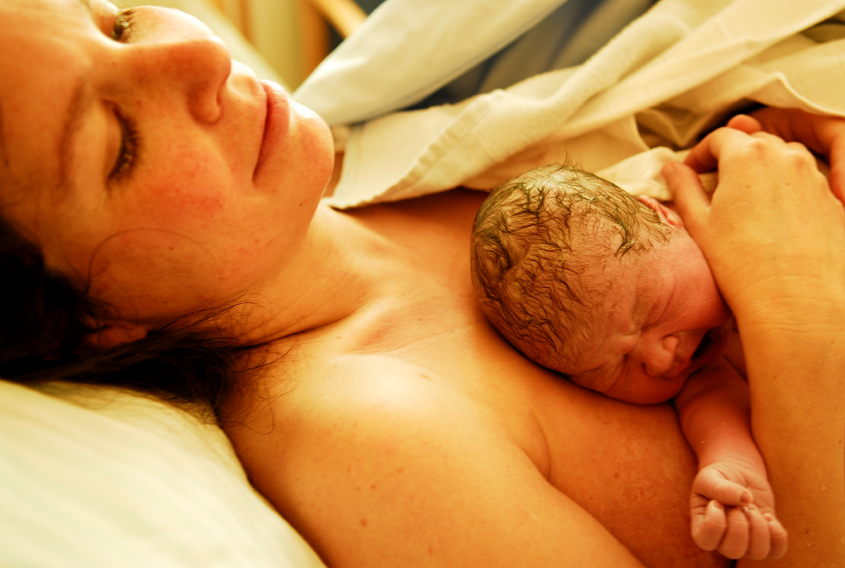
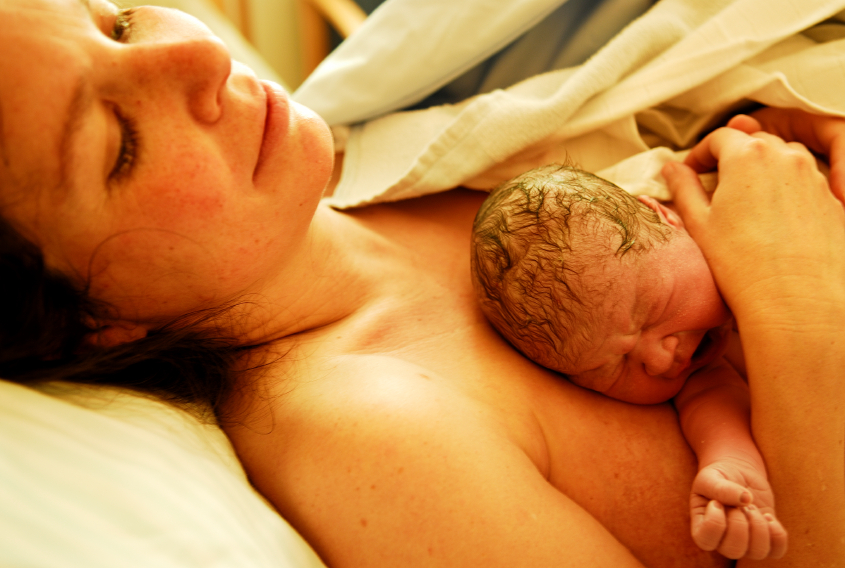
Beautiful Skin to Skin after birth (iStock Photos)

Submitted for the Healthy Birth Blog Carnival #6: MotherBaby Edition


Skin to Skin immediately after birth is an extremely important part of the continuum of the nurturing of pregnancy, the process of birth and the transition of nurturing from inside mom to outside mom. This is the natural habitat where baby should transition and begin his own regulations of breathing, heart rate, temperature etc… This is recognized by the AAP in their changes to the Neonatal Resuscitation Algorithm back in 2000. The recommendation was to keep baby with mom and provide all initial evaluations and steps with baby on moms chest for all healthy babies!  We all know that babies have an inborn innate ability to self attach and nurse right after birth. These recommendations are not just for vaginal births. Kathy Petersen has a beautiful description of the importance of STS after a Cesarean birth on her Woman to Woman Childbirth Education blog in her 5/30/10 post Skin-to-Skin in the O.R. after a C-section.

As soon as I heard about the last edition of Science and Sensibility’s Healthy Birth Blog Carnival with a theme about “keeping moms and babies together after birth”, I wanted to write about my tiny little efforts, struggles and some successes in providing moms and babies with an environment that supports and protects their need to stay together. My recent role in the protection of such an environment and subsequent privilege of watching a baby self attach in the OR 15 min after a C/S birth has re-energized my efforts to get more mother’s and nurses to speak up and make this a standard for healthy babies!

Then….. I saw a link on Laura Keegan’s Facebook fan page for her book Breastfeeding with Comfort and Joy to an awesome video and a beautiful photo posted by the author of Cesarean Parents Blog about her birth. I had heard of Laura’s search for images of STS after C/S and asking for mother’s experiences. Amy Romano from Science and Sensibility alerted Laura of the photo: Kathy blogged about STS after C/S and I was working on this post! Such uncanny timing! I am just in awe of this marvelous networking community! Head over to Laura’s facebook link and share your experience for her info gathering. Here is the fabulous video they are all talking about “Breast is Best” from Norway:

Why is it so hard for the doctors and nurses to get on board? Most of them understand the word “bonding”.  But what many don’t realize is that it took a long time for the actual concept to take hold, to allow “time” for bonding to occur.  It sounds silly but many times if the baby and mother are still together after 2 hours…the nurses call that “extended bonding”.  I have been doing this for over 35 years now and the changes from the 70’s to now are fascinating and frustrating at the same time. To understand the process of change, we have to sometimes remember where we’ve been. I wrote about Medical Science vs Natural Childbirth a year ago because I feel history IS important to help us move forward. Often it is about control… but many times nurses and doctors are simply task oriented/focused and not patient centered. They want to complete all their procedures and charting and move on to the next task. I understand this, there is always a lot to do and document. I work there too! The environment provided to us, the health-care workers, is one in which regulations are abundant and staffing is not always optimal. Flexibility is needed. I know there is a way. This culture just has to change. And it happens in small little doses.

SO–> Skin to Skin immediately after a C/S? I have been told by coworkers, doctors and anesthesia:

“It’s impossible, “

“It can’t be done”

“There’s not enough room”

“This patient (the mom) is in the middle of major surgery!”

“The baby needs to be under the warmer, it’s too cold in the OR.”

Really? Seriously? Watch Me………

I have actually been working on this issue for the past few years…… Ever since I began staff education for World Breastfeeding Week 2007′s theme “Breastfeeding: The first hour — Welcome Baby Softly”. The focus from ILCA was: ‘Establishing a welcoming environment that keeps mothers and babies together.’ It was then that I gently tried to introduce the concepts for C-Sections as well as all vaginal births. I was getting a lot of positive response for vaginal births…not so for C/S.

Anesthesia is our biggest barrier. The chest area of the mother seems to belong to them somehow. The arms too.. I always politely ask the doctor for permission to have at least one arm released so she can touch her baby. (they are secured on armboards to her sides.) Really the OB’s didn’t mind what was happening outside of their draped domain. The Pediatrician is the next barrier because they want to finish a complete exam…. in the nursery…. before they returned to the office or whatever.  So I started with the Peds… hoping they would stop expecting the baby to be quickly removed from the OR. I started with just simple requests for prolonged “bonding”… because they all get that. “Look how well this baby is transitioning.. so alert and PINK! ” “I’ll write all the measurements in your exam note…. I’m fine… I know you’re busy….” I’d say.   Sometimes mom and baby got to stay together. Soon, for some of the doc’s, the expectation of baby leaving mom was gone. They got tired of waiting around and would leave. More moms and babies got to stay together…even if it was dad doing the holding. My co-workers were not always so understanding because of the work flow on the unit. It would work best when the birth happened any time other than first thing in the morning when it’s busy everywhere. Isn’t that sad? Sitting here writing this I’m thinking of ways to work on that….. another time…..

Anesthesiologists or Nurse Anesthetists are all different. There are some wonderful ones who are releasing both arms and pushing things out of the way for the baby and others who are constantly telling moms they are “under” anesthesia and can’t hold the baby, or they have given meds to mom right after baby is born so mom is now groggy. I talk to each of them respectfully and differently depending on their own approach. I have discussed my plans for STS if baby stable ahead of time. I have discussed how it is up to us to provide this protected environment for moms etc…  I have used the patient satisfaction discussion, the scientific evidence discussion, the patient centered care discussion, and the increased patient numbers due to higher satisfaction talk.  I have let them know that when a mother requests that–> we must do everything possible to help her experience this.

Slowly, over the last few months, I was able to facilitate some babies really getting skin to skin in the OR for short periods before going to the nursery. There were a variety of factors for why it wasn’t very long each time but at least it was happening!! It’s not a standard of care yet and I’m the only one working on it but others are getting interested… Communication has been very important to create the environment and reduce barriers. We still have a long road ahead. But we did pave a path for this mom….

She came in with an unknown double footling breech presentation in active labor and the doctors wanted to do a C/S right away. She was really upset and had a beautiful birth plan that was already getting discarded. “STS until first breastfeed accomplished” was on her plan and I was determined to help her with that! Things were happening fast. The anesthesiologist wasn’t my best STS supporter.. “oh well” I thought, “I’ll do what I can to help.” The baby was crying and pink when born and without thinking about it, the doctor, nurses and myself had him on the baby unit drying him. Mom went panicky! “Give him to me, give him to me! He has to be ON me! You just took him OUT of me, now he HAS TO BE ON ME!”  She was literally trying to sit up. Anesthesia was drawing up meds for her (that was his answer).  I said “OK here he comes!”. So I didn’t ask anyone’s permission this time….. just held that naked baby in one hand, snapped open her gown with the other and helped him move in. I asked for a warm blanket and looked up to see the other nurse and doctor staring at me. I said “Seriously… she’s exactly right, he does belong ON her!” Anesthesia saw the immediate transformation of his frantic patient to one with calm maternal bliss, admiration and cooing. He was then helpful to let her other hand out. This little boy stayed with mom, breastfed before he was 15 min old and went to the PACU with mom. She was so incredibly happy. I never got to see her after that since it was near the end of my shift and I wasn’t on shift the next few days. I saw that she exclusively breastfed in the hospital and without complication went home on day 3. At least part of her birth experience went according to plan!

If she hadn’t have been so vocal about what she wanted, so adamant… she would not have experienced what she did.

SPEAK UP AMERICA…. MAKE IT HAPPEN

Want to see more? This stunning video of a baby skin to skin then breastfeeding at birth in the operating room via @MothersUtopia @Laura_Keegan. What were your experiences? Please don’t forget to head on over to Breastfeeding with Comfort and Joy on FB to comment on your experience or opinion about this important topic!! Calling for women to share their experiences with skin to skin here, to help give a voice to the real need to make skin to skin in the OR routine practice in all ORs.


“Breastfeeding is a Health Preventative Behavior” ILCA Press Release

Please send this press release too any local media companies!

United States Lactation Consultant Association Announces

Date: May 14, 2010
Contact: Scott Sherwood                                                      For immediate release
Tel. 919-861-4543
Email: ScottSherwood@uslcaonline.org

National Woman’s Health Week

Morrisville, NC- The United States Lactation Consultant Association (USLCA) joins the US Department of Health and Human Services in celebrating National Woman’s Health Week. The week of May 9th to 15th is dedicated to empowering women to make their health a top priority. In honor of this week the USLCA reminds women that breastfeeding is a health preventive behavior that reaps benefits for a lifetime. Avoiding or abandoning breastfeeding increases a woman’s risk of developing premenopausal breast cancer, ovarian cancer, type II diabetes, hypertension (high blood pressure), hyperlipidemia, and cardiovascular disease.

The decision to breastfeed is a health promoting public health behavior that benefits not only infants but also their mothers. During National Women’s Health Week, communities, businesses, government, health organizations, and other groups work together to educate women about steps they can take to improve their physical and mental health and lower their risks of certain diseases. Women are often the caregivers for their spouses, children, and parents and forget to focus on their own health. But research shows that when women take care of themselves, the health of their family improves. Health care providers are urged to remind the childbearing population of women that they work with of the importance of breastfeeding as a method of reducing diseases and conditions that can rob them and their family of a healthy mother. Heart disease is the number one killer of women in the US. Epidemiological data suggest that women who do not breastfeed or wean too early face a higher risk of diease and early death.

USLCA president, Laurie Beck, RN, MSN, IBCLC would like to celebrate National Woman’s Health week by wishing all moms a Happy and Healthy Mother’s Day. “USLCA urges all mothers and health care providers to view breastfeeding as a health promoting and disease preventing behavior just like nutritious eating and physical activity.”

Knowledgeable professional breastfeeding support can be obtained from lactation consultants with the IBCLC credential (International Board Certified Lactation Consultant). To locate a IBCLC for assistance with breastfeeding go to http://www.uslca.org


Mission: To build and sustain a national association that advocates for lactation professionals

Vision: IBCLCs are valued recognized members of the health care team.

The United States Lactation Consultant Association (ULSCA), is organized exclusively for the advocacy of Lactation Professionals.

Overheard NICU Nurse “I Don’t DO Breastfeeding”

Sad but true…


I just overheard a comment from a potential new experienced NICU nurse (we open in July!) where she actually said .. out loud .. during her interview to the many interviewers and our manager (who happens to be an IBCLC) …….

“I don’t DO Breastfeeding”

What. The. Hell. Does. That. Mean?

So I thought… perhaps this young girl is just grossly uneducated. Perhaps she is so inundated with the detailed scientific absolutes of NICU management that she was only making comments related to direct breastfeeding. Surely she can’t be talking about actually thinking breastfeeding isn’t the best care for her small vulnerable patients!!

I’m afraid I may be wrong…

I’m afraid she may get hired……

Well– that’s OK… I’ll work to gently re-educate her about breastfeeding while she helps me learn NICU care!

I was wondering how to approach a post about this when I was notified by Melodie (@bfmom) encouraging feedback from her latest post on “Breastfeeding Moms Unite” blog entitled  Do Nurses Learn about Breastfeeding in Nursing School? a guest article by Jennifer Johnson who writes about Nurse Practitioner Schools.

Here was my comment on that post:

“ Sad but true…
I- of course- had my training a thousand years ago and there was only about a 30 min section of one class covering mostly anatomy & physiology of lactation…. not much on management of breastfeeding. That may have been it. I have no recollection of really helping any mom during my OB rotation in school. The nurses owned the babies back then and they stayed in the nursery most of the time!
My experience at 3 different hospitals from 1974 thru 1981 before I intensely studied lactation has been that a prevailing approach or “policy” was followed by all duty nurses “just because” or “because the doctor wants his moms to follow these rules”.
There was no current research or evidence to back anything up. One nurse then taught the next new nurse this incorrect, outdated information and so on. This practice still exists in many areas and unfortunately, they don’t know or realize they are wrong. The mothers were then given very little if any instruction.. mostly incorrect.  Dated textbooks were the only resources.
Now things are much better in many areas. Lactation education is just starting to be recognized as an important piece for nursing and medical schools. The true recognized lactation experts are IBCLC’s. Those other professionals who have been  formally educated in lactation, and remain current, can provide sound effective management advice. LLLL’s are awesome and also have some good educational background to become leaders.
Nurses today who work with mother’s and babies should and must have sound lactation management education.
Everybody should do their part and write letters to the editor of their paper/ or their hospital’s board to ask for this. JCAHO is now measuring exclusive breastfeeding as a perinatal core measure. This has become a catalyst for change for many facilities. It is for ours. We were given a presentation on this yesterday.
I do what I can. I have annual educational competencies usually coinciding with WBW. I also now have 3 nursing schools which come thru our department who utilize my  PowerPoint Presentations as an education requirement in their curriculum! Good for them !!  “

We have so much to do to help spread the word about the importance of current evidence-based lactation education for the professionals of our nation.  Our mother’s and babies depend on us.  Don’t they??? Shouldn’t they be able to??

We need to get it right!