Skip to content

Posts tagged ‘Breastfeeding’

Happy Mother’s Day Antique Art

HAPPY

MOTHER’S

DAY !

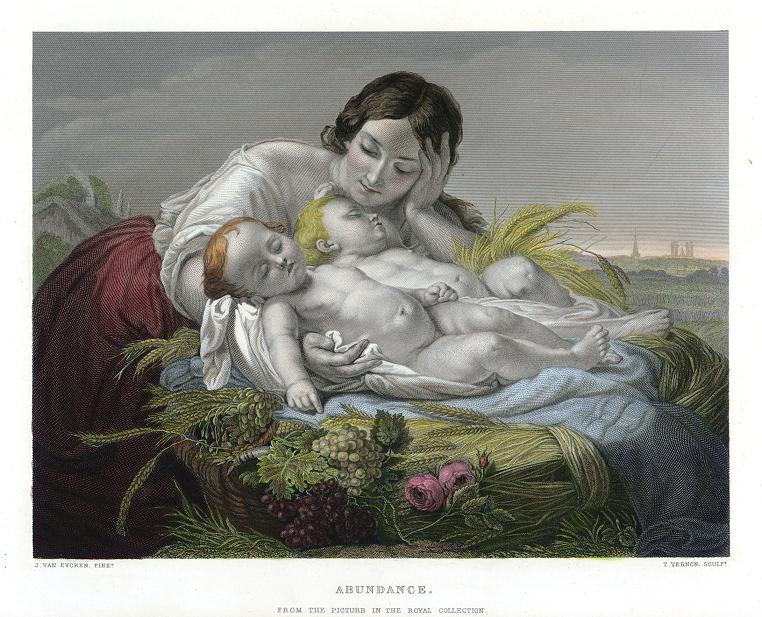
1859 "Abundance" engraved by T.Vernon

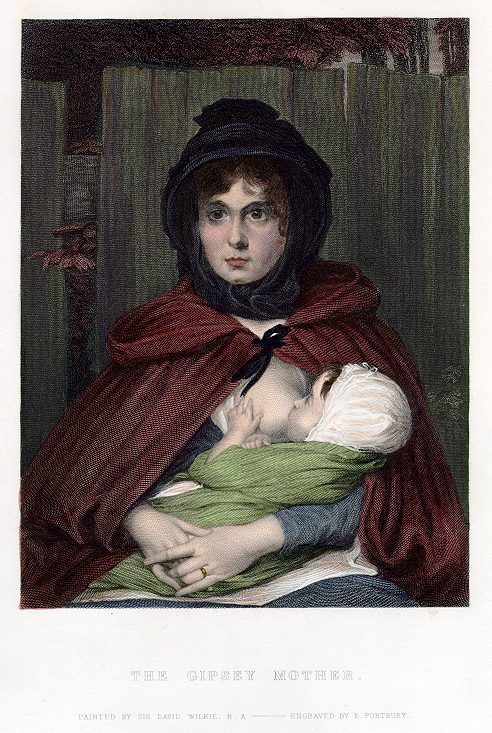
1850 "The Gypsy Mother" engraved by E.Portbury

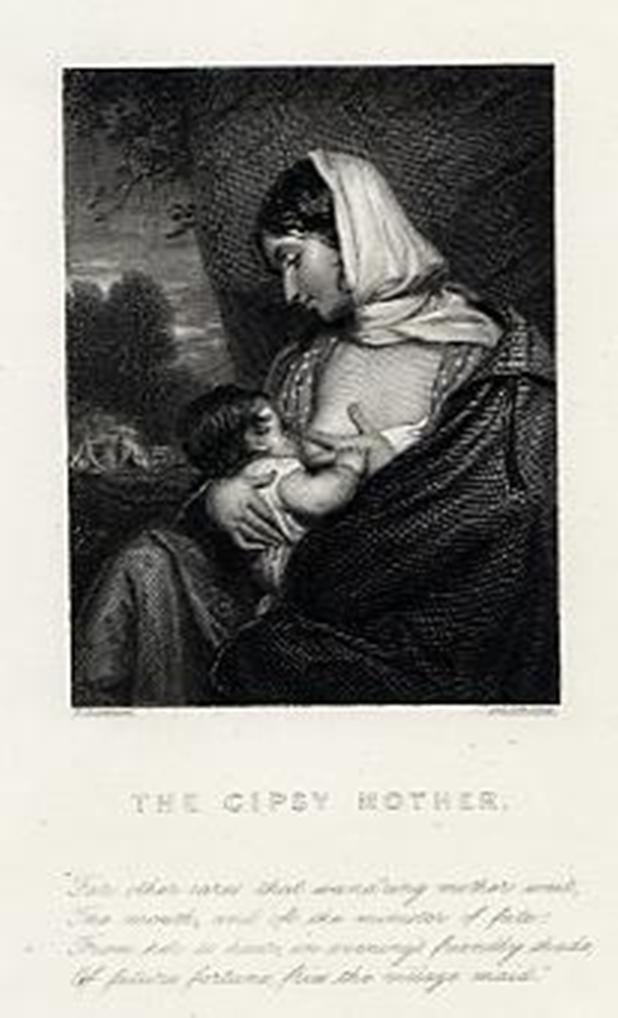
1840 "The Gypsy Mother" engraved by Greatbach

In the world of childbirth, Mother’s Day is a very special day. I have enjoyed years of watching a women become a mother either for the first time or again and again on this very day. It is always wonderful to share that experience with them. Fabulously Joyful!

But today, I get to be home, pampered by my hubby and just milling about… I came across some wonderful websites carrying fabulous vintage engravings and various clip art. I absolutely adore antique engravings! I have some framed and others saved for something I’ll get to one day… 😉

This first few photos above are images courtesy of antiqueprints.com depicting mother and children. There are two WONDERFUL Antique Breastfeeding Engravings! These are all steel engravings with hand color in the first two.

The remainder of art below is from a website called “The Graphics Fairy” and all of these photos are to Karen’s credit over there. Beautiful!

Enjoy!

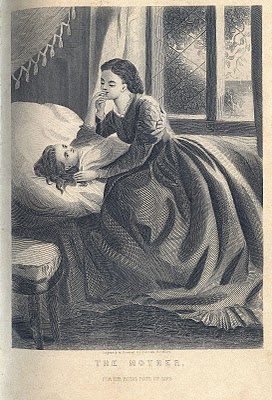
Victorian "The Mother" engraved by the Illman Brothers

1880's Antique Engraving Children with Cherries

Beautiful old painting of a Mother with Children

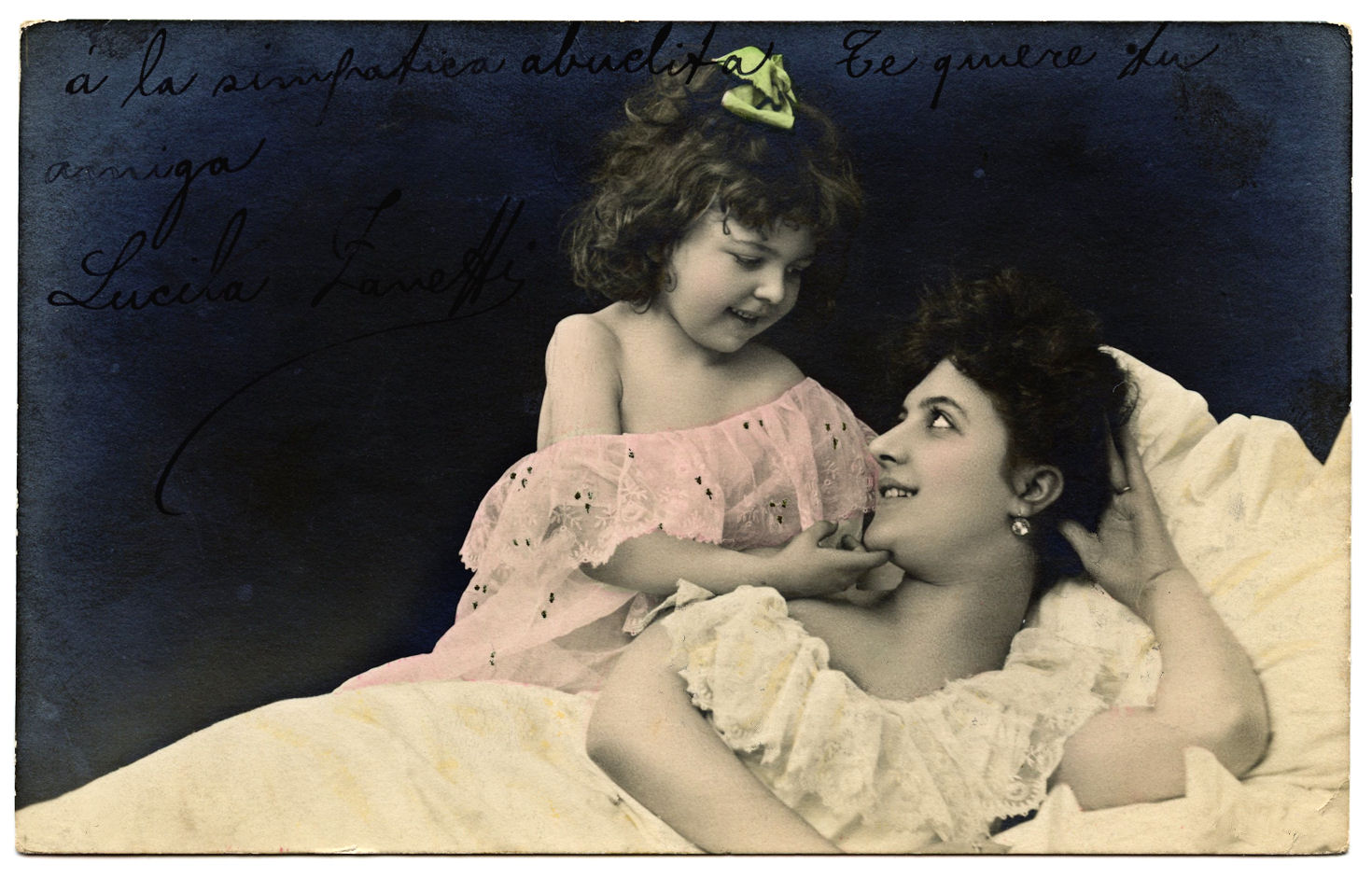
Old French post card

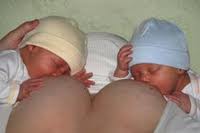
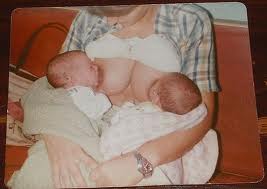
Wordless Wednesday~ Twins

Yesterday I saw the BEST Twin talk video which I will put at the end of this post..

But first….. I wanted you all to have a look at some luscious twin breastfeeding photos I found on Google. I am in a twin mood today.


This has had over 2 million hits on YouTube!


Happy IBCLC Day !!

Today is IBCLC Day which is held the first Wednesday of March every year!


Ecard from ILCA

As a former IBCLC, I know how hard many work to support and protect breastfeeding moms and babies everywhere. This profession deserves our recognition today and everyday…..Thank you all for your hard work.

Happy IBCLC Day! Good job!

Wake up America

March 2011 Vanity Fair fold out cover. Olivia Wilde…. Dear Facebook, does this picture offend you? America- why is this ok and #breastfeeding in public offends??

Push for Real Changes in our in-hospital Maternity Services

The average consumer may not know what could possibly be helpful in exacting REAL change in our hospital maternity care. I am certainly no expert in this field and would welcome additions or corrections to what I say here….. but I want to offer a little perspective from the inside. Maybe this will help somewhere.

I am a Birth and Breastfeeding Junkie and I am proud. I don’t care if someone recently didn’t like that nomenclature….. That’s what I call myself and how I relate to other like minded individuals. I have a need to know what’s going on in that world.  We junkies read and discuss all the current evidence, all the latest recommendations from the WHO, NIH, CIMS, ICAN, ACOG, AAP, AWHONN, ILCA….. and so many more. We love all birth stories and learn from each other. We educate ourselves. We STAY current. We want informed decisions. We want options. We want this type of evidence-based care available where we live. We advocate for those individuals who may not even know there may be another choice. We want to see the women of America have access to respectful quality services everywhere!
Ok –> that said…. When I see new evidence, research or new recommendations; what I have done over the years to offer up any proposal for process improvement or care delivery change including whatever may be needed to implement these changes… is to collect resources, develop a policy or plan and present to docs, manager and staff. The response is usually positive. Sometimes I get a lot of “smile and nod” and “please hurry up I have other things to do I’m not really listening”…. but mostly positive. Sometimes it’s only positive in that “My you’ve done a lot of research..and Good Job!”  instead of–Yes let’s do this! The changes are not always adopted and there isn’t a total “Buy-In” from everyone to make it a successful total change in practice. Eventually and unfortunately, because these things aren’t monitored, many practitioners go back to their own comfort zone of past [outdated] practices. Arrghh
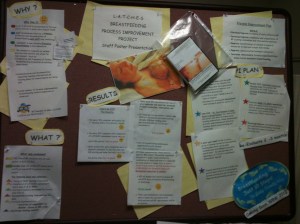
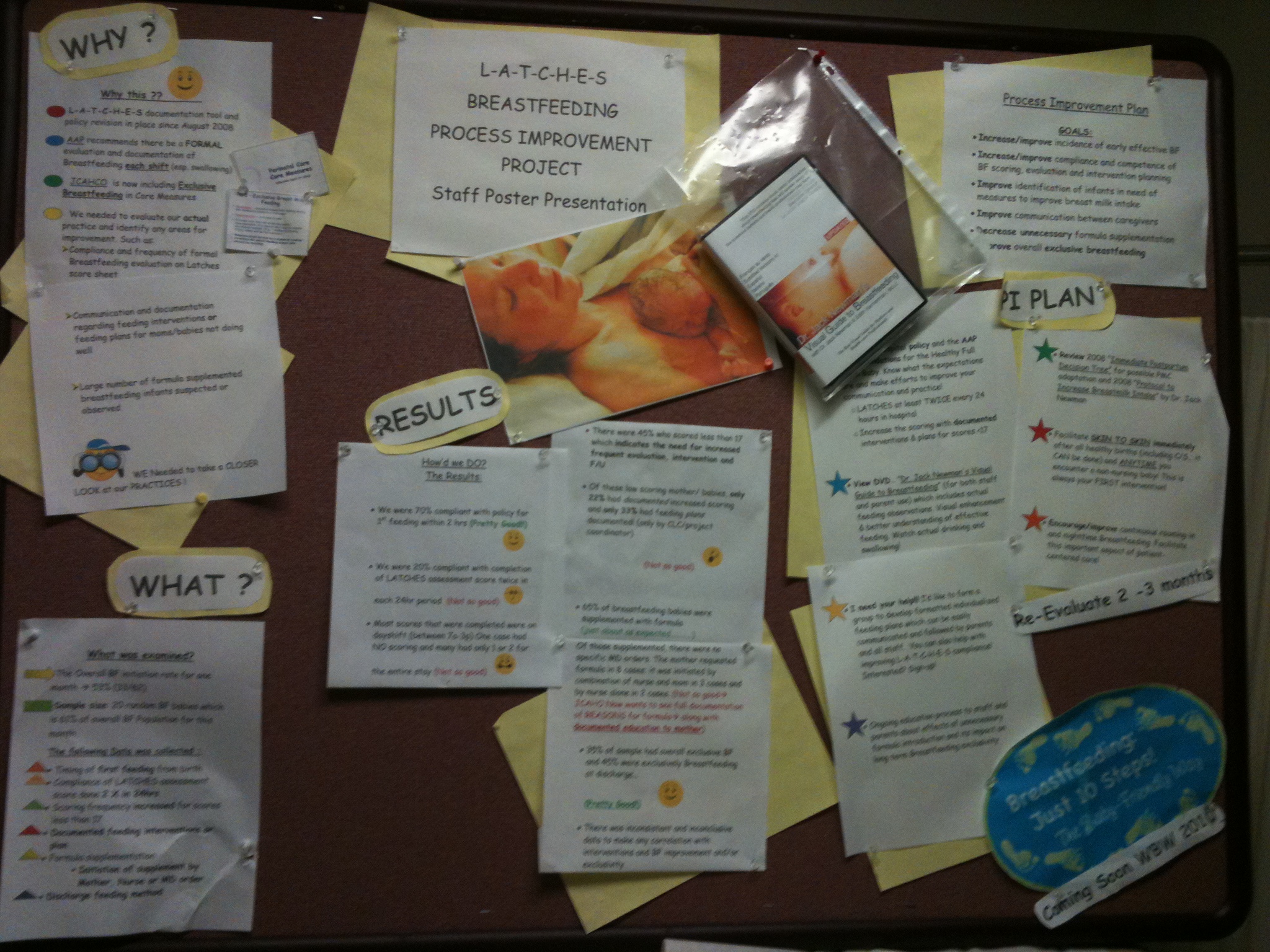
Project poster inservice example

There must be a better way.

I was sitting in a Professional Practice Committee meeting a few weeks ago listening to a mandatory (did I say Mandatory?) action plan presentation by the Director of Patient Relations/ Patient Satisfaction when it hit me how there may be more avenues for REAL change driven by the consumer than those of us in the trenches. All of the directors (suits) were there and were required to come up with unit-specific mandatory action plans to improve patient satisfaction and positive perceptions of their hospital experience.

She was presenting an action plan based on the latest HCAHPS report.

What is HCAHPS?? Maybe you know- maybe you don’t. Skip over this if you already know.

“The HCAHPS (Hospital Consumer Assessment of Healthcare Providers and Systems) survey is the first national, standardized, publicly reported survey of patients’ perspectives of hospital care. HCAHPS (pronounced “H-caps”), also known as the CAHPS Hospital Survey, is a survey instrument and data collection methodology for measuring patients’ perceptions of their hospital experience. While many hospitals have collected information on patient satisfaction for their own internal use, until HCAHPS there was no national standard for collecting and publicly reporting information about patient experience of care that allowed valid comparisons to be made across hospitals locally, regionally and nationally.

Three broad goals have shaped HCAHPS.

  • First,the survey is designed to produce data about patients’ perspectives of care that allow objective and meaningful comparisons of hospitals on topics that are important to consumers.
  • Second, public reporting of the survey results creates new incentives for hospitals to improve quality of care.
  • Third, public reporting serves to enhance accountability in health care by increasing transparency of the quality of hospital care provided in return for the public investment.

With these goals in mind, the Centers for Medicare & Medicaid Services (CMS) and the HCAHPS Project Team have taken substantial steps to assure that the survey is credible, useful, and practical.” HCAHPS fact Sheet 2010

The reason hospitals are taking these results so seriously is that.. well… I’d like to say they ONLY care about the patient, but they are a business and it comes down to money in reality.

$$$$$$$$$$$$

If a hospital scores fall below a certain number in patient satisfaction… they can lose like 3% of Medicare Reimbursement. That adds up to a lot of money really. You may think that doesn’t apply to Maternity Services but it does, ultimately, because that survey goes out to all adult inpatients. If the scores for satisfaction are low for obstetrics, it can throw off everything, and affect the reimbursement to the facility. That, in turn, can affect how much money is available for overall improvements.

Medicare has also started to cut reimbursement to cover the costs of “preventable” conditions, mistakes and infections resulting from a hospital stay in 2009. That is older news so you may already know about that.

The thing is– what the big two Medicare and Medicaid… [The Centers for Medicare & Medicaid Services (CMS)] often set the bar and other insurance companies follow in the private sector. The 2009 National Health Insurer Report Card may give you more information about what is or is not paid. I don’t know much more about that.

HCAHPS is the first I’ve heard of actual patient satisfaction scores steering reimbursement which is transparent and publicly reported. I have heard many pt satisfaction reports but they were never given this much attention. At least in my hospital.. Perhaps I’ve been too much of a Birth Junkie to notice. 🙂

The other big catalyst for positive change is the new JCAHO Perinatal Core Measure Set. The MotherBaby Summit website has an excellent review of these 5 elements, explains them and provides further references.

There are two new employees who only work on JCAHO compliance and data collection. They are looking at the PC-05 Exclusive Breastmilk Feeding numbers and are not happy…. Well — neither am I !!  I have been trying to do something about that particular issue since 1988 !  Since these are now factors for regulatory compliance as well as patient satisfaction… Now we are going to do something. I am pleased to announce that we are forming a Breastfeeding Task Force!! YAY! We also have a new Pediatric Dept Chair who is a no bullshit we are going to do it kind of guy… so YAY!

Bottom line: The hospital is sitting up and seriously taking notice about the consumers opinion AND how regulatory agencies are now monitoring things have never been monitored before.

  • Action plans are being developed to comply
  • The consumer has more of a voice than ever before

Here’s what you can do

Before the hospital:

  • Have a prenatal interview with your provider… ASK : Do they have current evidence based practices/protocols in place ….. do their standard orders reflect the most current evidence based guidelines and standards of care…. do the dept members all follow these standards. Do the nurses actually follow these orders….
  • Do the same with your pediatric provider
  • If you are not happy with the provider and choose NOT to use them, make sure they know exactly WHY… what were the points which caused you not to choose them.
  • Have a birth plan and discuss it with all providers, nurses and even mail it to the manager where you will deliver. Ask your manager to please make sure your wishes are communicated with the staff.
  • Use words like RESPECT, SATISFACTION, Patient RESPONSE Time JCAHO Core measures.
  • Ask for numbers when you have your interviews.. for instance..what are your CS rates? VBAC rates? What are exclusive breastfeeding rates? If they don’t know, ASK for the name of a hospital person who can help you get that information. I am sure they have the numbers.

In the Hospital:

  • Get the names of those individuals/ midwives/ doctors/ nurses/ etc who were good and those who were poor caregivers in your opinion. Write them down somewhere and why. Specifics help.
  • If you don’t feel your wishes are being honored or disrespected, ASK to speak to a patient representative. There is most likely somebody on hospital staff who has that role and can assist you. Use the words Satisfaction, Respect or what is relevant etc…
  • Ask for options if they are not discussed. Don’t rely on a Birth Plan you made weeks or months ago to be always remembered by everyone. Even if it’s right with your records. Different options may be available that weren’t before. For instance, We recently installed telemetry fetal monitoring allowing for increased mobility. If somebody asked a while ago, we did not have that option. You may have to repeat yourself… esp in a very busy Labor&Delivery or Mother/Baby unit. Sorry. That’s the way it is sometimes. It can get crazy but you are just as important as anyone!

After You Go Home:

  • You will be very busy with your baby and good or bad… your individual experience will be a memory that could fade over time. We still need to hear what you have to say IN WRITING whenever possible.
  • Please Fill out your survey –> it may be long but most are a multiple choice and allow for a write in comment section. Put in the names of the good and the bad!!  Please do it.. then actually mail it
  • Please make written comments. Include names. Specifics help.
  • Please Make Us Accountable. Write a letter to administration (Head of unit, Head of nursing or Head of hospital) include specifics. They HAVE to personally answer to this type of thing first! They get this info long before the surveys. Write for the good or the bad parts of your experience.  Including if you make suggestions. It may be monitored or tracked how many times they receive a comment about a certain issue. Definitely tracked for negatives– especially for specific individuals.
  • Please also write a letter to the Head of OB or Pediatrics Departments and let them know who else you sent the letter to. Include everything from above.
  • If you are certain what you experienced was NOT evidenced based medicine or care…. PLEASE mention exactly what you know.


Thanks for reading this, I hope somebody out there takes the time to give the needed feedback which will help mold and improve our care.

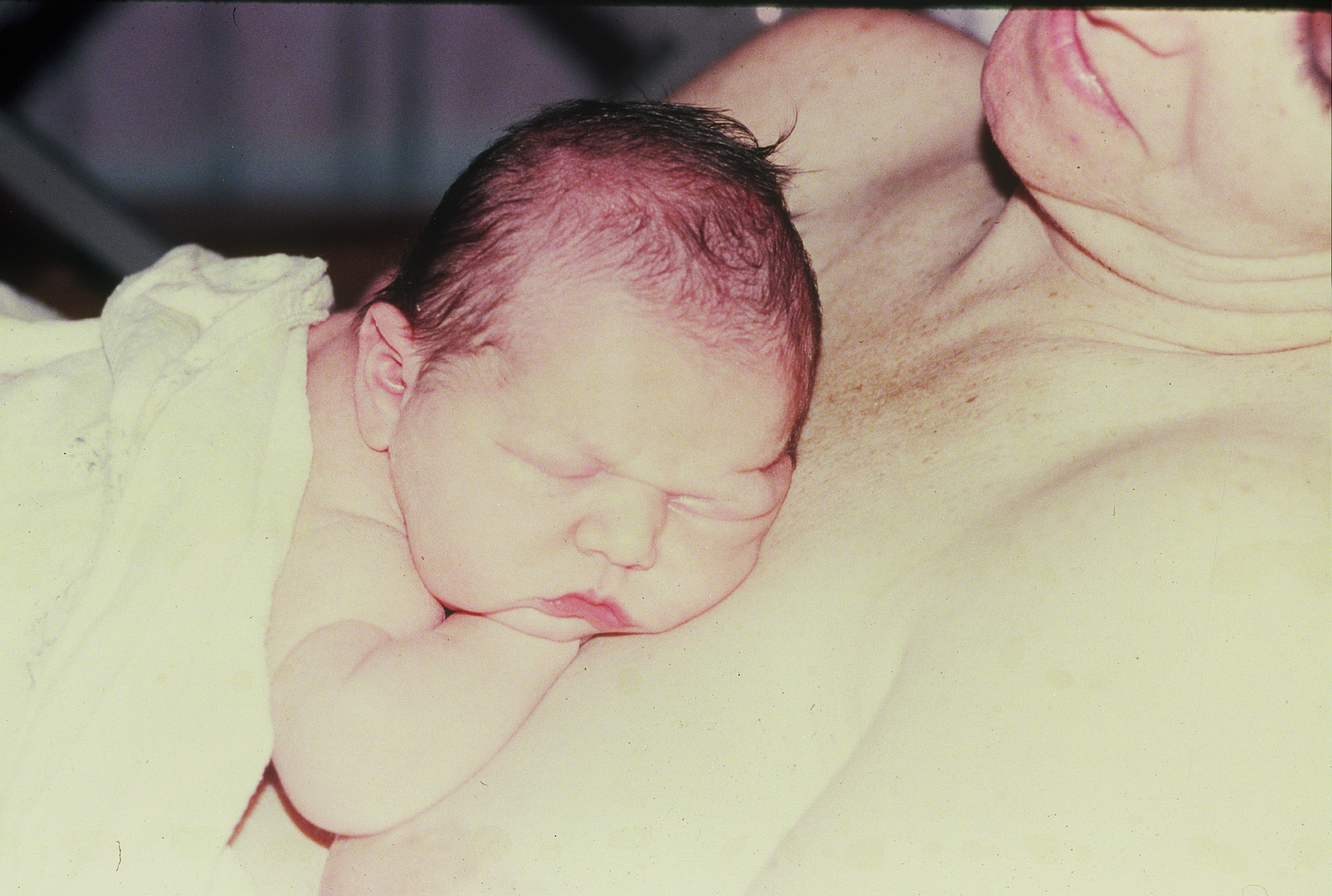
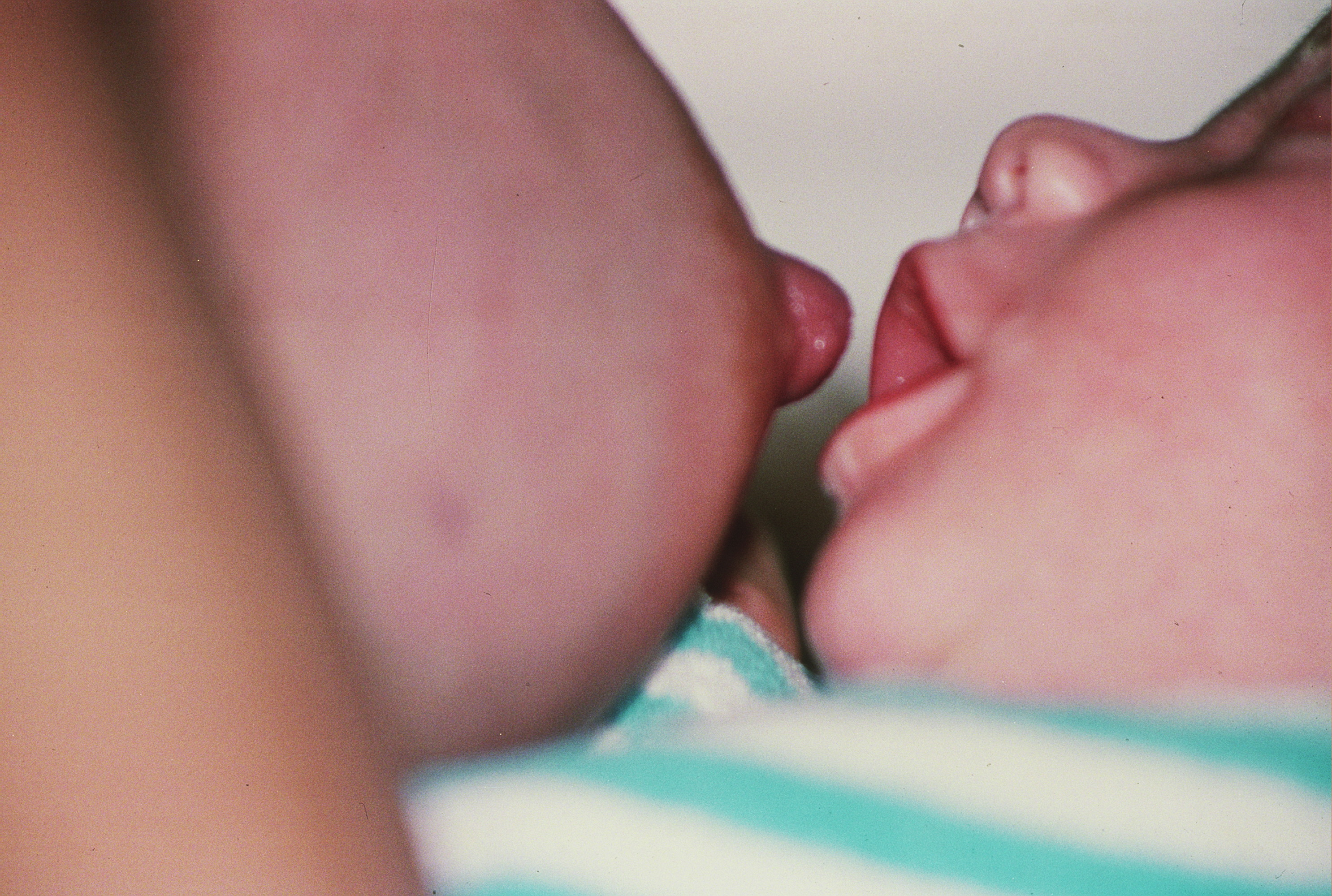
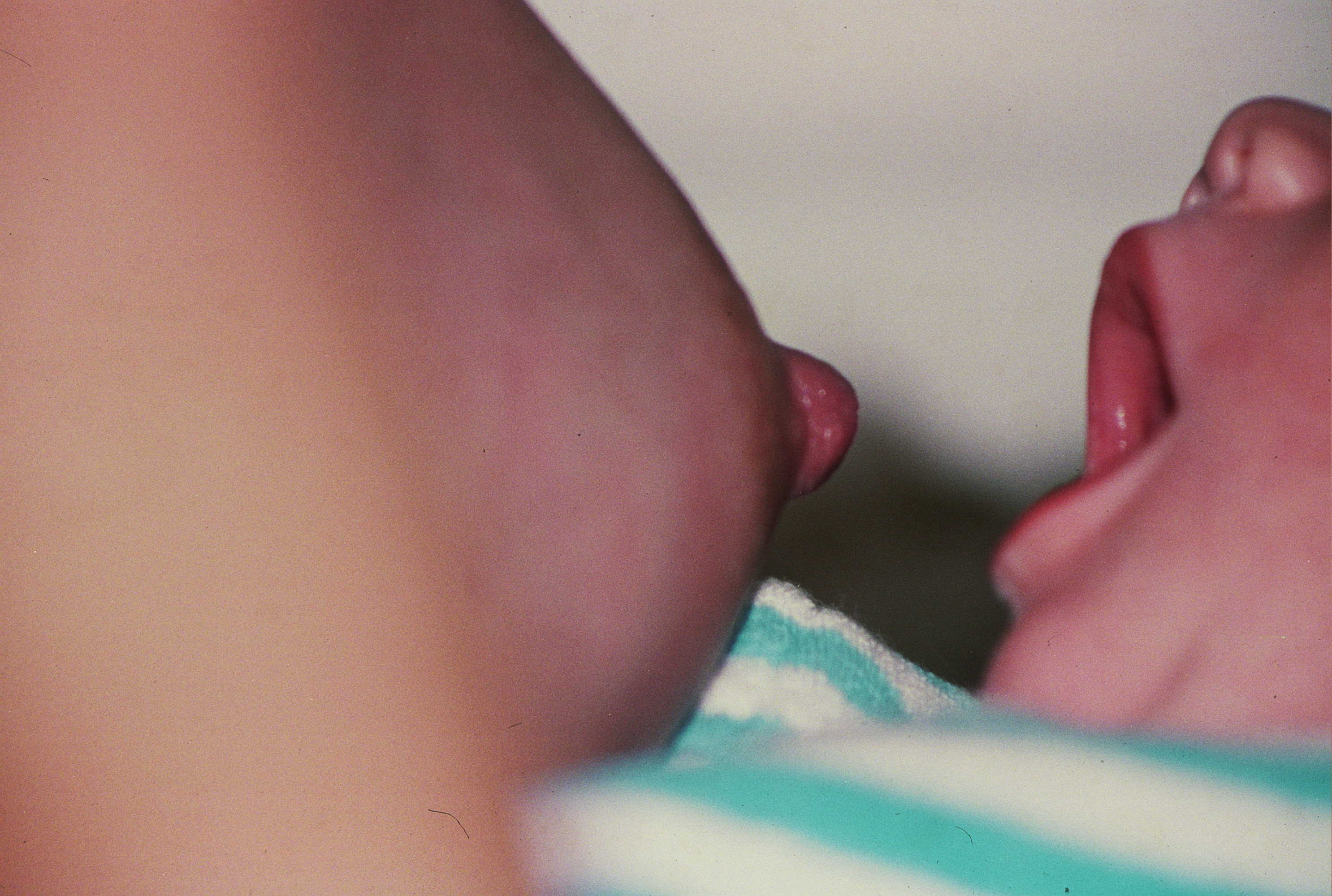
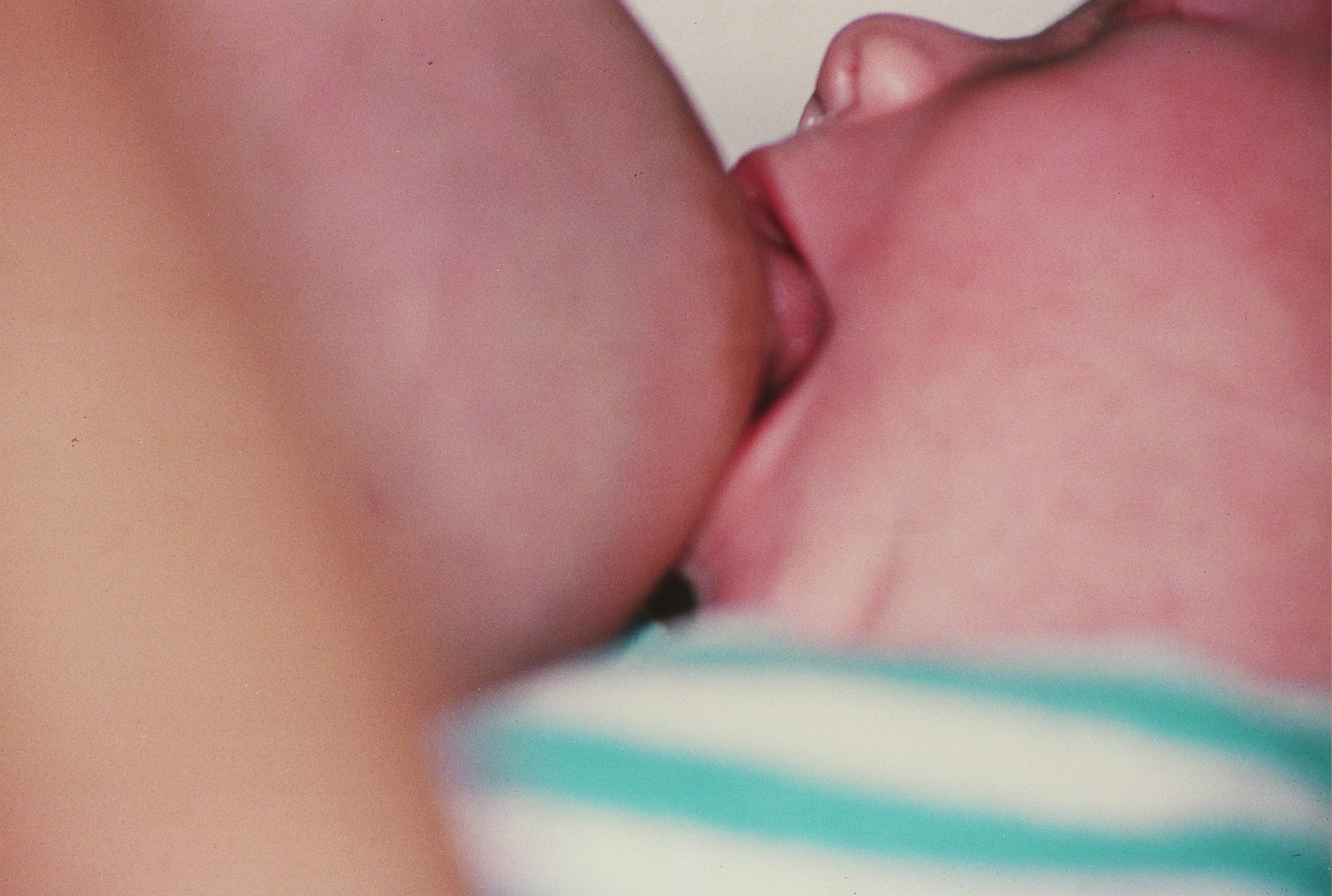
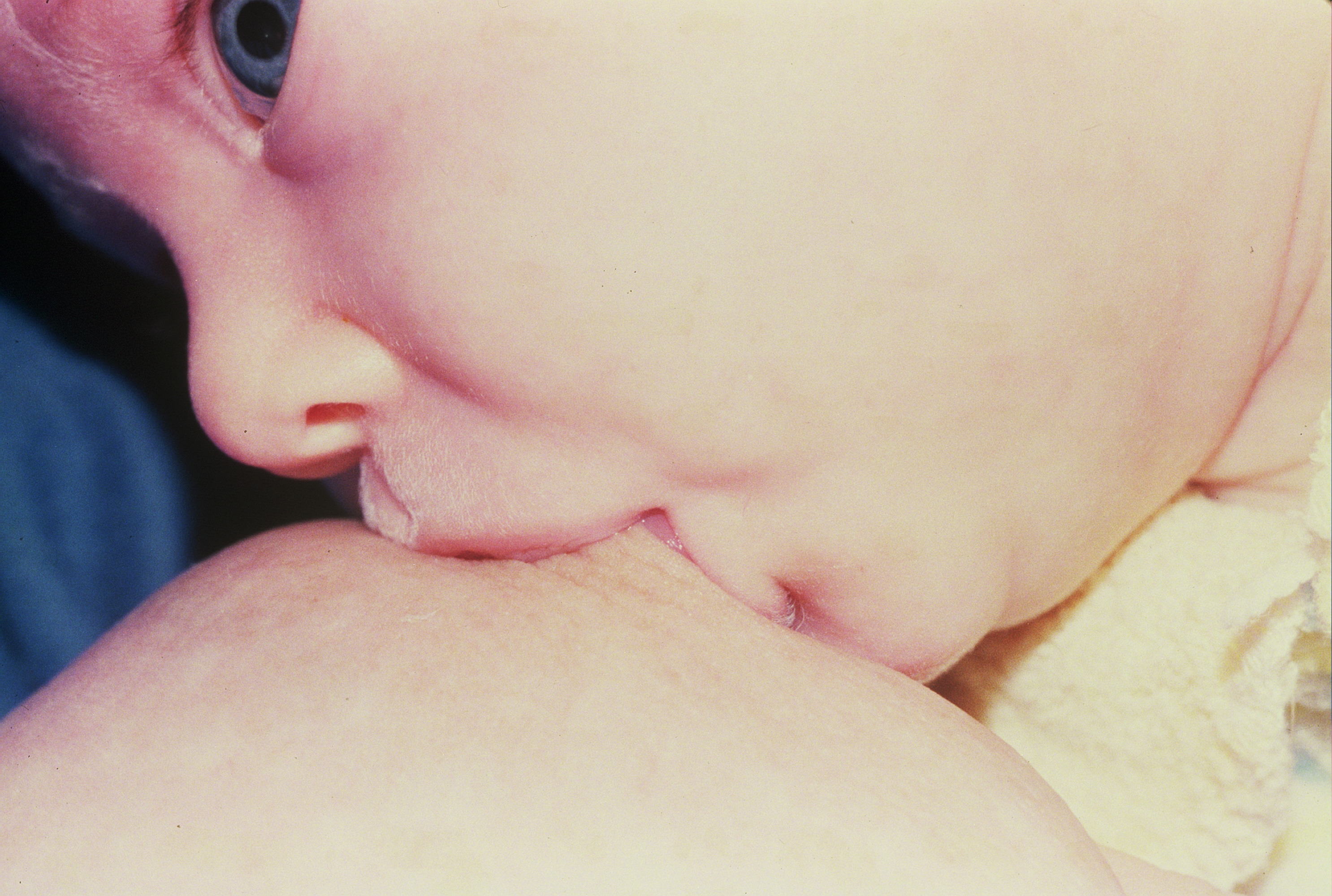
Wordless Wednesday: Fabulous Skin to Skin & The Latch Connection

Success! You CAN Do it Right with a Preemie!

Short Little Success Story

Recently had to attend a birth for a 34 weeker who had been threatening labor since 32 weeks. She had been given a regimen of steroids and antibiotics per our protocols. The parents had a beautiful birth plan. They wanted Skin to Skin at birth, baby nursing before any separation and were adamantly against formula if at all possible. Both were frightened of the preterm birth, worried for their child’s safe transition and concerned that none of their wishes would be carried out.
I had the opportunity to discuss some of these with the Neonatologist and the parents before the birth. The doc was all for doing as much as they’d wished for at birth (that we could) provided the baby did not require respiratory support…

The baby was delivered hollering at us, alert and pinked up nicely! After observing and examining him for a short period, the doc gave the go ahead for Skin to Skin as long as I could stay and observe. Happy to oblige, I had that 4 LB naked baby up on mom in no time surrounded by her warmth and love.
I did the babies first glucose check (while STS) which was at a great level. Mom proceeded to start latch attempts. The baby did nuzzle and lick the copious colostrum she offered but wasn’t able to accomplish a latch. Vitals were stable, they were snuggling… but by an hour– the Neo was getting antsy. I had to take him in to the NICU with Dad in tow. No resp symptoms. Pink stable and alert. Placed up on the warmer table and connected to all the monitors for observation, he had his second glucose check. We expect it to drop at this time which is the normal nadir. It was however 38 which meant we had to feed. I asked for 5 min. This mom had a copious colostrum flow. The baby was not symptomatic. I had another RN watch him while I scooted back to L&D with a pump and small collecting cups. I figured we may have to hand express because many moms don’t respond to a pump quickly. This mom did respond and in a few minutes we had about 10 ml !!
I took that right in to the NICU leaving mom to finish a pumping session. We syringe fed the 10 ml and a subsequent glucose check was 54. Mom sent in a container of 15 more ml 🙂
They got to have a beautiful experience with their preterm boy who never got any formula … at least not in the NICU before discharge.

Yay!

*Promote NORMAL Birth and Breastfeeding* & more New Year’s Resolution Ideas for all my Co-Workers… Any Ideas?

I am continually working (baby steps- a little bit at a time) on improving what we do to care for the moms and babies in my little neck of the woods. Sometimes it feels exciting, positive and helpful….. but other times frustrating or futile.

Since I have been recently consumed with my newest career as a NICU nurse, I have seen some of my earlier successes of positive changes (on the mother baby unit and L&D)…. slowly. turn. back. to previous bad practices ….. I come over to the units and I see so many of the older traditional care models in place again which we had worked hard to place in a vault! You get new doctors, new nurses, new anesthesiologists etc… and they don’t give a crap about any guidelines or protocols for a natural process! However if the CDC changes their Hepatitis B, HIV or  GBS protocols… they are all over it….  In. A. Heartbeat.

Why is it so hard for these professionals to relinquish control over all aspects of the birth process? Why can’t they look at any of that research? Why aren’t any of the recommendations for encouraging VBAC, discouraging scheduled CS’s without a TOL or keeping mother and baby together while delaying routine procedures taken as seriously?? Why?

I think I know why…I do.  But that isn’t really what I wanted to talk about today.

I want to provide some encouraging – positive – inspirational ideas for my fellow nurses, practitioner or heathcare provider to do what is best for each mother and baby in their car. Even if you all pick just one… it can make a difference. So don’t feel overwhelmed. Just try to add at least one of these to YOUR daily practice.  These suggestions are meant for situations without complications requiring urgent intervention of some kind.

Readers: Please ADD more in comments if you have them!

  • Promote and Preserve NORMAL Physiologic Birth……  Try NOT to interfere. Please really find out what that means if you don’t know. Seriously. (sorry but please… my friends… it’s not about hurrying it up or getting it over with and closing out the chart!)
  • Spend time each month reviewing Evidence-Based practice recommendations and changes with regards to Birth and Breastfeeding. You’ll learn something!
  • SKIN TO SKIN…if you do nothing else… make THIS your project for EVERY mother/baby in your care. If you do this for them– nature can have a chance. Get them S2S at birth and several times each day to help with breastfeeding! (this one is my favorite!)
  • Yes… Skin to Skin can be done in the O.R. Teach your fellow co-workers when just DO it!! Come on TRY IT!
  • Keep a mother’s wishes at the forefront of your plan of care. Her birth plan is very important to her! Advocate for her and empower her. This is her birth, not yours.
  • Advocate and Empower your patient to make truly informed decisions about her care. If she doesn’t have the right information to make a real INFORMED decision, please help her get the information or provide it for her!

  • Embrace the idea and recommend Doulas to your patients. Keep a list of local doulas available and provide them at prenatal visits or out-pt testing.
  • Question the doctor/midwife when an induction and or Cesarean is scheduled. Just ask why and discuss… Bring up points you’ve learned in your reading and find out the practitioners reasons for inducing. There is a way to discuss without challenging. Sometimes –> everyone learns from such a discussion. Perhaps the practitioner will realize his reasons for some cases may not be appropriate.. who knows?
  • Breastfeeding and Formula feeding are not equal choices and remember it is inappropriate to indicate to a mother directly or indirectly that they are equal. She deserves correct information before making an informed choice. Utilize teachable moments to discuss the superiority of Human breast milk as the food for human infants. Show her where she can get more information before making a decision. Honor her decisions once she has made them.
  • Keep the baby with the mother until the FIRST Breastfeed has taken place. Please delay all your routine procedures and help the mother (if needed) to start breastfeeding! This is recommended by ALL the experts.
  • Keep the baby with the mother AT ALL TIMES. Almost everything we do can be done at the mother’s bedside. Think about it.
  • Keep the baby with the mother AT ALL TIMES means at night too. Separating mother and baby so “Mom can rest” had been shown to be a barrier to successful breastfeeding. Encourage frequent feedings based on feeding cues.
  • Teach and empower the mother. Include how to recognize feeding cues, signs of an effective feeding with appropriate latch, and how to recognize an overall good feeding pattern.
  • Support the mother, support the mother, support the mother.

For some more ideas.. I have numerous previous posts about breastfeeding education, support and sited references such as the Coalition for Improving Maternity Services Ten Steps for example and other important issues.

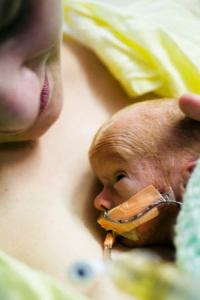
Breastfeeding Evolution amidst the NICU Technology


Powerful Skin to Skin

Evolution

I love babies. I love being a nurse.

I love all the evolution of technology through which I have practiced. I love how I have had to continually evolve myself. I love helping mothers help themselves, advocating for them and their infants, facilitate when needed to support them making their own choices and watch as they evolve….. becoming the best mother they can be!

I know I haven’t blogged lately and it is because I have been having a bit of a rough transition… my latest evolution…  in my new NICU job. Orientation is somewhat difficult for me. I had previously been arriving at work already at the top of my game (for the last 25 years or so) and I have now found myself a student…. every. single. day. It is almost like I have gone to a totally new facility! EVERYTHING seems new or different. All new equipment/monitors/procedures/policies/protocols/doctors/practitioners/and staff.

The babies are the same. Since some are much more preterm than we have cared for in the past… their issues are more complex. Some are the same as we have always cared for, but with neonatologists now on board, the approach to the care of these babies is evolving.

I am unlearning some of what I have always known and relearning things in new ways.

Evolution

I was able to prepare and submit the mission statement and policy on Breastfeeding for our NICU population. The neo’s are extremely awesome on breastfeeding or breastmilk feeding promotion and support! So we have a very good start for breastfeeding support in our new unit. Excellent actually! I am happy to report that since opening our unit, most of the babies thus far have had a total exclusive diet of breastmilk or fortified breastmilk! I think that is fabulous! There have been some moms who after discussion and encouragement to provide breastmilk, wished to formula feed and their choice was supported without further discussion or question. My new co-workers have been very professional about that. There were a few who provided colostrum initially and then decided not to continue. This was also supported.

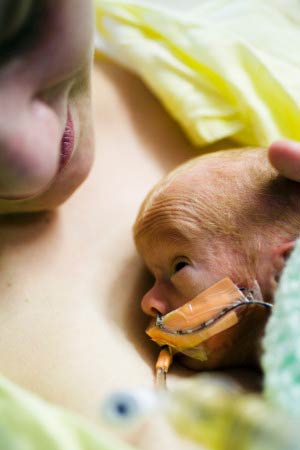
Coming from my previously comfortable world of lactation in the full term nursery, I find myself on a journey to find a balance between technology and nature……  precision, absolutes and finite accuracy vs the inconsistency, variables, and imprecise intake of an infant at the breast. We are calculating daily the actual fluid and kcal energy intake of each baby and comparing that with the kcal/fluid requirement per kilogram of weight. Changes are then made accordingly. Most of the preterm population is unable to take in their required fluid and caloric needs solely by mouth. Most have parenteral nutrition in the form of a glucose/ Amino Acid protein and Lipid (fats) at first by a central line or an IV (TPN) and gradually switch over to taking all their requirement by their GI system (Enteral). They don’t have the stamina to take it by sucking/drinking and they require a nasogastric (NG) tube so the remainder of food can go in by gravity or feeding pump (gavage feeding).


NG tube

I actually love learning all this. I thrive on having a detailed clear clinical picture of my patient. I am very detail oriented which is a good thing. Because of this precision, the measurements and the calculations—> actual breastFEEDING is not often seen until much later in the game. I understand this. I do. I want so much to be very helpful at transitioning to full feeds at the breast. I have to wrap my head around it each time (all the while being a student in all other aspects of the infant’s care) researching how to best advise each mother. We range from visits every other feeding to visits once or twice a day. Skin to skin is the most powerful tool I can use when faced with limited exposure or opportunity. Sometimes when the mom is arriving for my patient, I’m involved in other things and unavailable to do anything other than providing some private skin to skin time. Encouraging any licking, suckling or other feeding behaviors at the breast during gavage feeds is also good. When the baby gets more and more ready to take oral feeds… what I’ve seen so far is that they are already preferenced to the bottle nipple. The weight gain has been established, the precision of measurement seems to have become slightly less rigid. It seems that there is adequate physician support to encourage full feeds at the breast. There are hundreds of experts out there who have gone thru this, and reorganized policy and procedure to protect breastfeeding in the NICU.

I have to evolve myself again and re-learn more about transitioning to feeds at the breast before the bottle becomes a primary feeding implement. Once I can  find my footing- I hope to be strong and confident enough to start teaching moms and my co-workers.

Breastfeeding is NOT an exact science!

I need to figure out when the exact science of Neonatology can accept that….

into the feeding plan for each individual baby!

Our new NICU policy–>Breastmilk IS our babies food!

Yes! This HAS been accepted!!!


Here is an excerpt from our NEW NICU policy:

Policy Statement: It is the policy of the NICU to provide all mothers with factual information regarding the superior nutritional, immunological and therapeutic beneficial effects that human milk and breastfeeding will have on the health outcomes of their preterm or sick newborn so that their feeding decision will be evidence based. The healthcare professional has an ethical responsibility to avoid withholding information because of any unfounded concerns that informing mothers of research-based options may make them feel guilty if they choose not to breastfeed. The mother’s informed decisions will be totally supported and her infant will be provided nourishment in accordance with her decisions.  All mothers should be considered breastfeeding candidates until they specify intent to bottle feed.

Purpose: To promote and support human milk as the preferred method of providing nutrition. Provide assistance to the mother in establishing and maintaining breastfeeding.

Policy:

  1. Any mother desiring to breastfeed or provide breastmilk for her baby will be given consistent current and correct evidence-based information, emotional support and encouragement she may need to reach her individual goals. Healthcare professionals will avoid conveying information based on any personal breastfeeding experience as it may not be appropriate or applicable in discussions with mothers.
  2. Mothers may be asked/encouraged to temporarily pump/express and provide colostrum for their infant’s immediate protection and health needs regardless of their feeding choice.
  3. The mother will be involved in all feeding plans as soon as possible.
  4. All NICU infants will be fed according to their nutritional requirements as ordered by the physician.
  5. Early trophic feedings of colostrum/milk to stimulate intestinal maturity will be utilized as ordered and when there is colostrum available. It is beneficial for infant to wait a day or two until colostrum is available to maximize the transfer of protective components. Colostrum should be given to infant in the order it was pumped.
  6. Oral care/ mouth swabbing will be done using colostrum/ breastmilk.
  7. A multidisciplinary approach involving the physician, NICU team, the mother and a lactation professional to develop an individualized feeding plan will be utilized as soon as feasible in accordance with each infants requirements and feeding abilities.
  8. Cue-based feedings will be encouraged and utilized as soon as possible. All mothers will be provided educational information and encouraged to understand and participate in reading their infant’s feeding cues.
  9. Kangaroo care and/or skin-to-skin will be utilized and encouraged as much as possible..
  10. Stable premature infants should be allowed to go to mother’s breast during gavage feedings to ready infant for transition to breastfeeding.

Etc etc etc……………………………….. much more……………..

The policy I submitted was written using Marsha Walker’s  “Breastfeeding Management for the Clinician. Using the Evidence” as a major guide. I think I even used her words a lot. (Seriously-who can say it better?)

YAY! Thank you to my team and thank you Marsha!

DUE TO REPEATED REQUESTS FOR THE WHOLE POLICY… HERE IS WHAT I HAVE… I HAVE INCLUDED THE REFERENCES


Policy  Statement:      It is the policy of the Special Care Nursery/NICU to provide all mothers with factual information regarding the superior nutritional, immunological and therapeutic beneficial effects that human milk and breastfeeding will have on the health outcomes of their preterm or sick newborn so that their feeding decision will be evidence based. The healthcare professional has an ethical responsibility to avoid withholding information because of any unfounded concerns that informing mothers of research-based options may make them feel guilty if they choose not to breastfeed. The mother’s informed decisions will be supported and her infant will be provided nourishment in accordance with her decisions.  All mothers should be considered breastfeeding candidates until they specify intent to bottle feed.


Purpose:         To promote and support human milk as the preferred method of providing nutrition. Provide assistance to the mother in establishing and maintaining breastfeeding for optimal growth and development.


Policy:

  1. Any mother desiring to breastfeed or provide breastmilk for her baby will be given consistent current correct evidence-based information, emotional support and encouragement she may need to reach her individual goals. Healthcare professionals will avoid conveying information based on any personal breastfeeding experience as it may not be appropriate or applicable in discussions with mothers.
  2. Mothers may be asked/encouraged to temporarily pump/express and provide colostrum for their infant’s immediate protection and health needs regardless of their feeding choice.
  3. The mother should be involved in all feeding plans whenever possible.
  4. All SCN/NICU Infants will be fed according to their nutritional requirements as ordered by the physician.
  5. Early trophic feedings of colostrum/milk to stimulate intestinal maturity will be utilized as ordered and when there is colostrum available. It is beneficial for infant to wait a day or two until colostrum is available to maximize the transfer of protective components. Colostrum should be given to infant in the order it was pumped.
  6. Oral care/ mouth swabbing will be done using colostrum/ breastmilk.
  7. A multidisciplinary approach involving the physician, SCN/NICU team, the mother and a lactation professional to develop an individualized feeding plan will be utilized as soon as feasible in accordance with each infants requirements and feeding abilities.
  8. Cue-based feedings will be encouraged and utilized as soon as possible. All mothers will be provided educational information and encouraged to understand and participate in reading their infant’s feeding cues.
  9. Kangaroo care and/or skin-to-skin will be utilized and encouraged as much as possible..
  10. Stable premature infants should be allowed to go to mother’s breast during gavage feedings to ready infant for transition to breastfeeding.
  11. Promoting non-nutritive suckling at mother’s recently pumped/drained breast will be encouraged whenever applicable. Although pacifiers are not routinely used for healthy term breastfeeding infants, preterm infants in the Special Care Nursery/NICU or infants with specific medical conditions may be given pacifiers for non-nutritive sucking.
  12. Feeding at the breast will be introduced as soon as possible for those sick or preterm infants as they improve and display appropriate feeding readiness cues.
  13. Supplementation, complimentary feedings and use of alternative feeding devices including nipple shields will be individualized in accordance with the multidisciplinary feeding plan above. (#7)
  14. Human milk fortifier may be indicated and will be added as ordered by the physician.
  15. Breastfeeding Policy  #6250-OB-B-3 and Breastmilk Collection and Storage Policy #6250-OB-B-3A will apply wherever applicable.
  16. If a mother is unavailable for feeding and/or has chosen to pump and store her breastmilk for infant feedings, she will be provided with written pumping instructions. These pumping practices to maximize early production and volume include:
  1. Begin pumping within 6 hours after delivery whenever possible (as clinically indicated by infants and/or mothers medical condition). Early and frequent pumping in the first week is crucial.
  2. Double pumping with high quality hospital grade pump (or pump which cycles 48-50 times/minute and with vacuums not exceeding 240mm Hg.)
  3.  Simultaneous pumping with properly fitting flange and added breast massage yields more milk and higher fat content.
  4. Pump at least 6 times in 24 hours (100 total minutes/day). Mothers pumping at least 8-12 times in 24 hrs yielded higher milk output.
  5. Evaluate any mother’s concerns over low milk volume promptly to promote maximal adequacy of milk expression.
  6. A mother may be encouraged to use the breast pump at the infant’s bedside as a means to increase milk production.
  7. Collect milk in plastic tightly lidded containers (ie Snappies) which are self labeled by mother with infant’s name, date of birth, MR#, date and time milk was pumped.
  8. Freshly expressed milk that can be immediately given to infant provides optimal protection factors.
  9. Milk must be promptly stored in the refrigerator if it is to be used within the next 48 hours.  Breast milk may be placed in the freezer for 3 months or in a deep freeze for up to 6 months.  If the infant is preterm or a sick term infant, frozen breast milk should be used within 3 months, however, it is preferable to use outdated breast milk as opposed to artificial milk.
  10. Mother should transport her milk to the hospital frozen in a cooler with an ice pack.  Thawed breast milk must be used in 24 hours.
  11. If milk brought by the Mother is thawed, it must be placed in the refrigerator.  It cannot be refrozen.


References:

Bakewell-Sachs, S. and Brandes, A. (2003).  Nutritional Management. In Verklan, M.T. and Walden, M.  Core Curriculum for Neonatal Intensive Care Nursing, 3rd Ed. St.Louis,MO: Elsevier Saunders.

Crosson, D.D and Pickler, R.H. (2004). An Integrated Review of the Literature on Demand Feedings for Preterm Infants.  Adv Neonatal Care. 4(4): 216–225.
Dougherty, D.  and Luther, M. (2008). Birth to Breast—A Feeding Care Map for the NICU: Helping the Extremely Low Birth Weight Infant Navigate the Course. Neonatal Network. (27) 6.  Pp 371-377

Kirk, A.T., Alder, S.C., King, J.D. (2007).  Cue-based oral feeding clinical pathway results in earlier attainment of full oral feeding in premature infants:  Cue-based oral feeding clinical pathway.  Journal of Perinatology (27) 572-578.

Meier PP, Engstrom JL, Patel AL, Jegier BJ, Bruns NE. Improving the use of human milk during and after the NICU stay. Clin Perinatol. 2010 Mar;37(1):217-45. Accessed via PubMed July 17 2010

Walker, Marsha (2011). Breastfeeding Management for the Clinician- Using the Evidence 2nd ed. Jones and Bartlett, Sudbury MA